Discover the Core of Our Belief
Our Belief
Welcome to the guide to the 28 fundamental beliefs of the Seventh-day Adventist Church Lelystad. Here you will find an overview of our core values and convictions.

Summary of Beliefs
A Deeper Understanding of Our Belief
Our church believes in the Bible as the infallible Word of God and the guide for our lives. We observe the Sabbath, the seventh day of the week, as a day of rest and believe in the imminent return of Jesus Christ. Our beliefs include the Trinity, creation, salvation through Christ, and the role of the church in the world, among others. Each point provides a foundation for a life of faith and service.
Sabbath
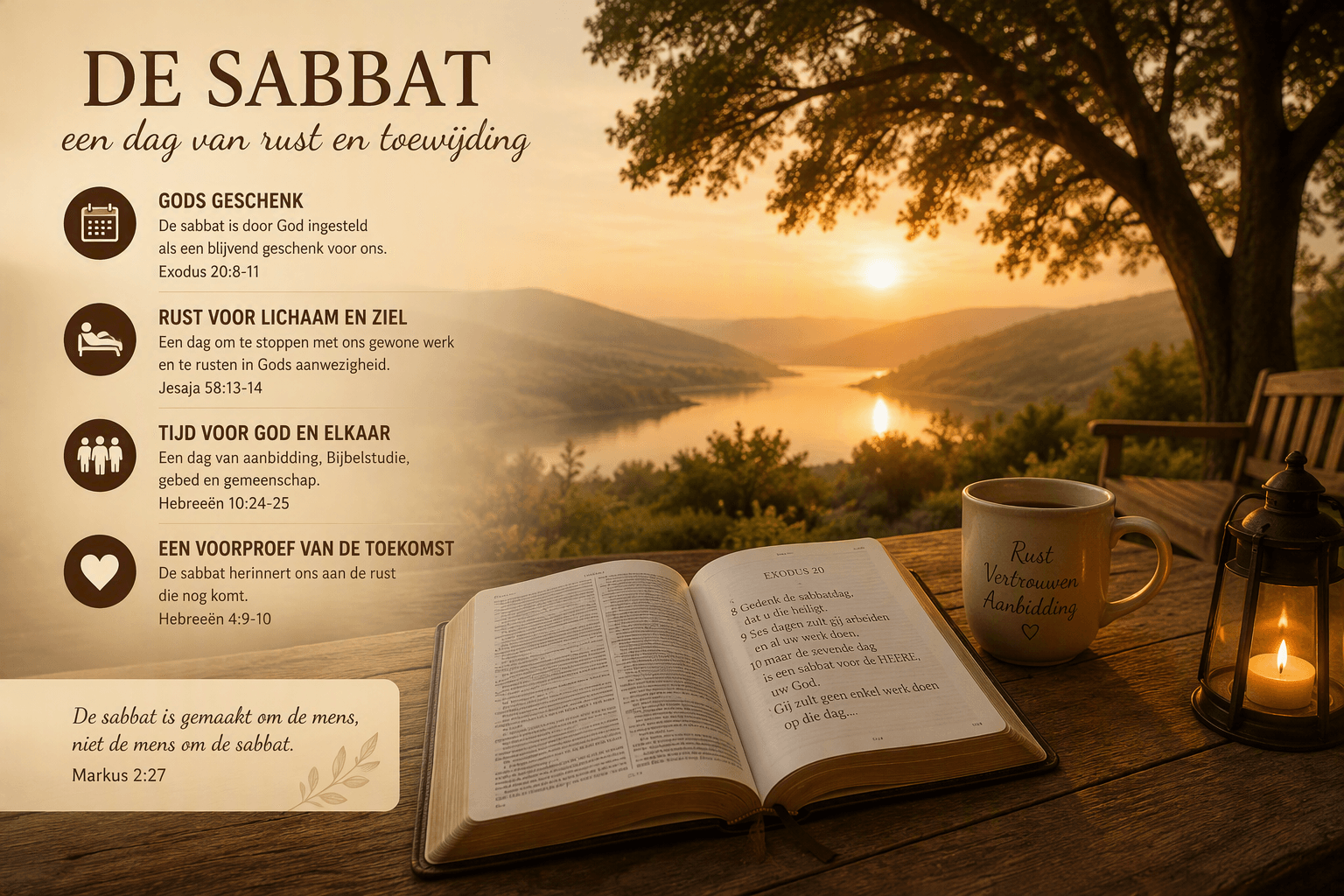
The Bible states the following about the Sabbath:
Exodus 20
8 "Remember the Sabbath day, to keep it holy.
9 Six days you shall labor, and do all your work,
10 but the seventh day is the Sabbath of the LORD your God. In it you shall do no work, you, nor your son, nor your daughter, your male servant, nor your female servant, nor your cattle, nor your stranger who is within your gates.
11 For in six days the LORD made the heavens and the earth, the sea, and all that is in them, and rested the seventh day. Therefore the LORD blessed the Sabbath day and hallowed it."
We believe that Saturday is the seventh day the Lord speaks of. Saturday is our Sabbath; on this day we hold worship services and observe rest. Rest does not mean doing nothing, but rather that you and others should not work. Exceptions are made for care and aid services.
Second Coming of Jesus Christ
The Seventh-day Adventist Church believes that Jesus Christ is the Messiah. Our savior who died on the cross, thereby freeing us from our sins. We believe that after His resurrection and ascension, Jesus will return to earth at the end of time. He will open the gate to heaven and guide us, but He will not set foot on earth again. Jesus will take us up with angels and welcome us.
Biblical Truth
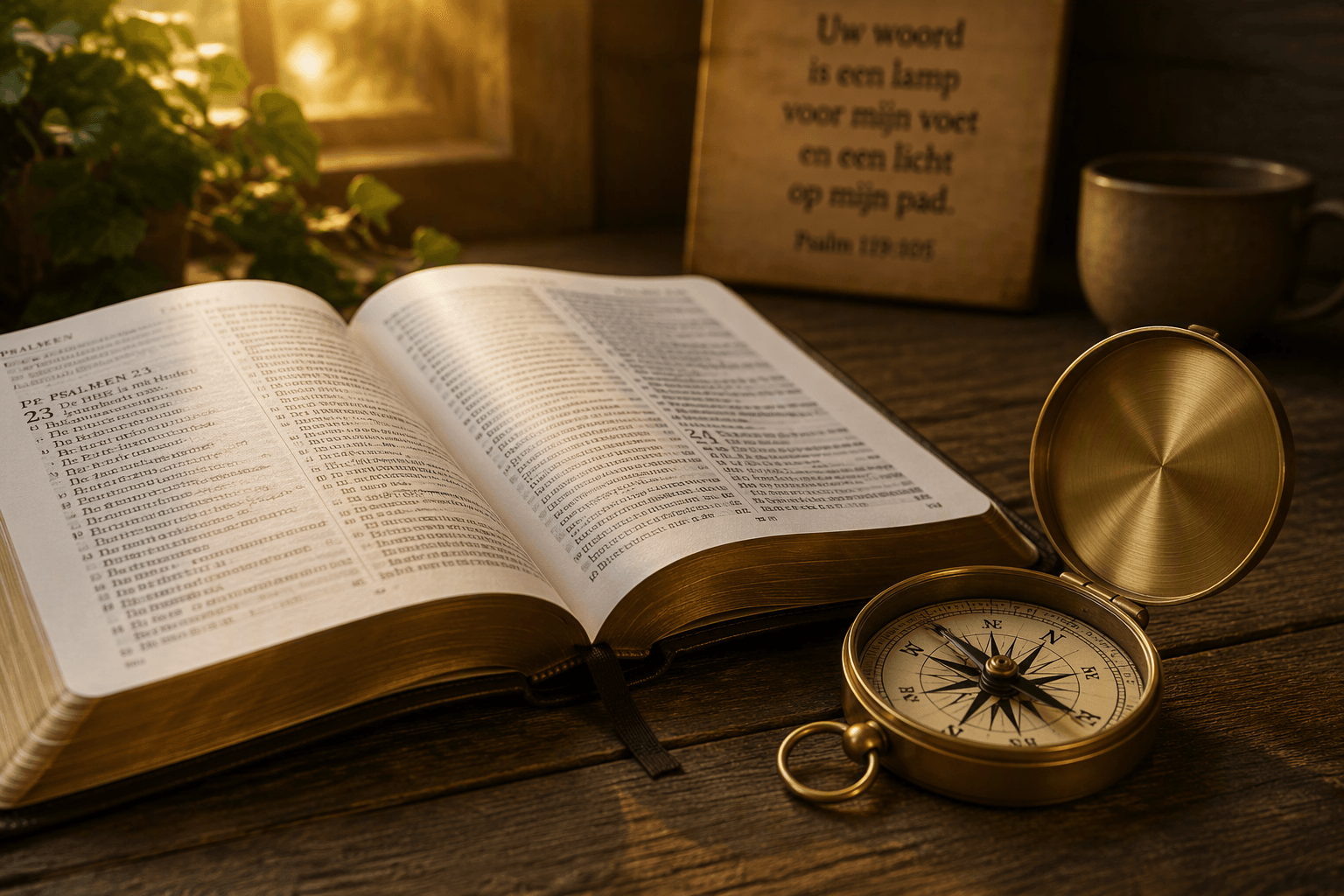
The Bible helps us to practice faith as God expects. Biblical stories help us to understand God's Will. The Bible, both the Old Testament and the New Testament, are our guide in faith.
Baptism
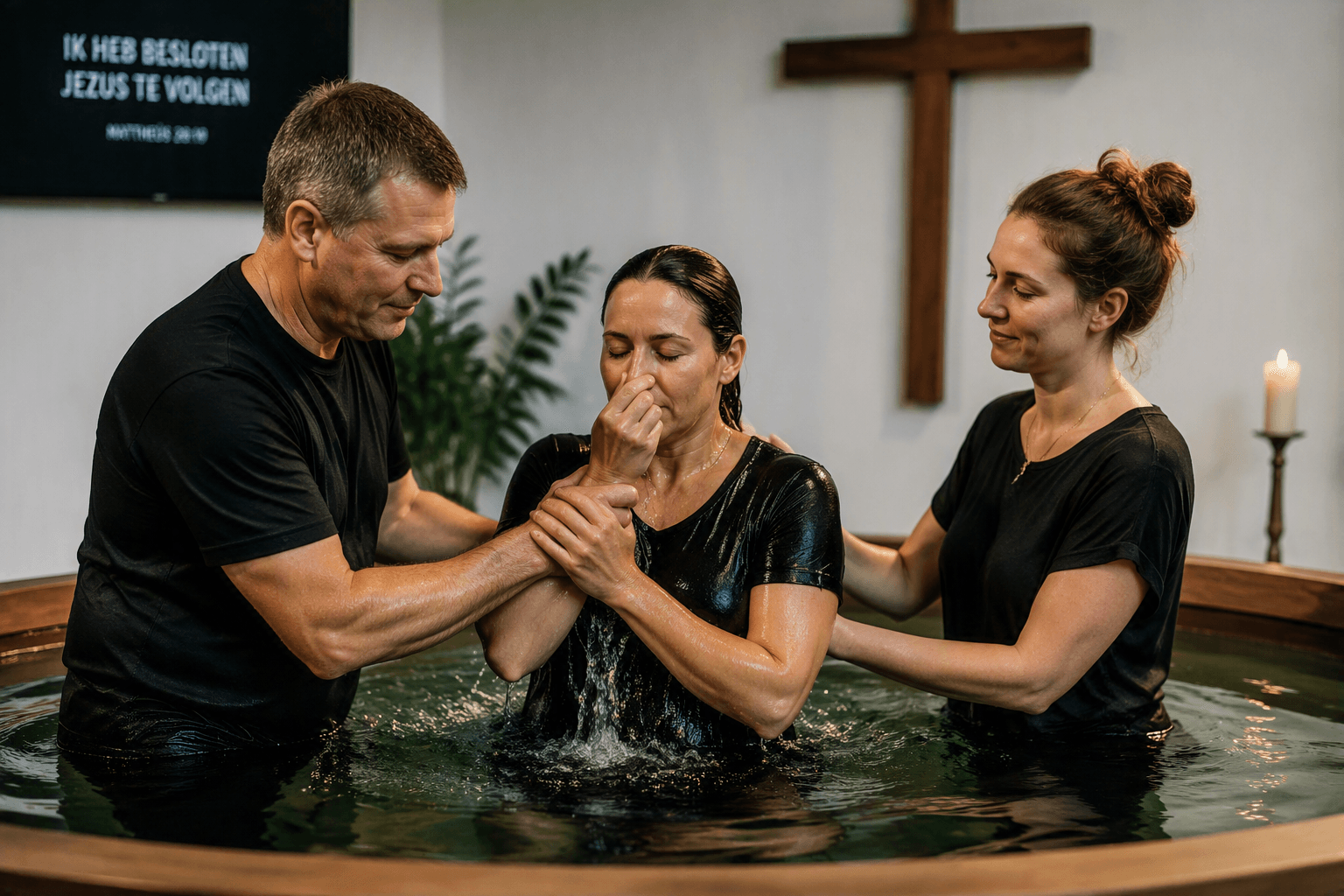
We practice adult baptism because it must be a conscious choice to be baptized and to understand what baptism entails. Prior to baptism, a Bible study is conducted, and the service is discussed with the candidate(s) for baptism.
Dedication
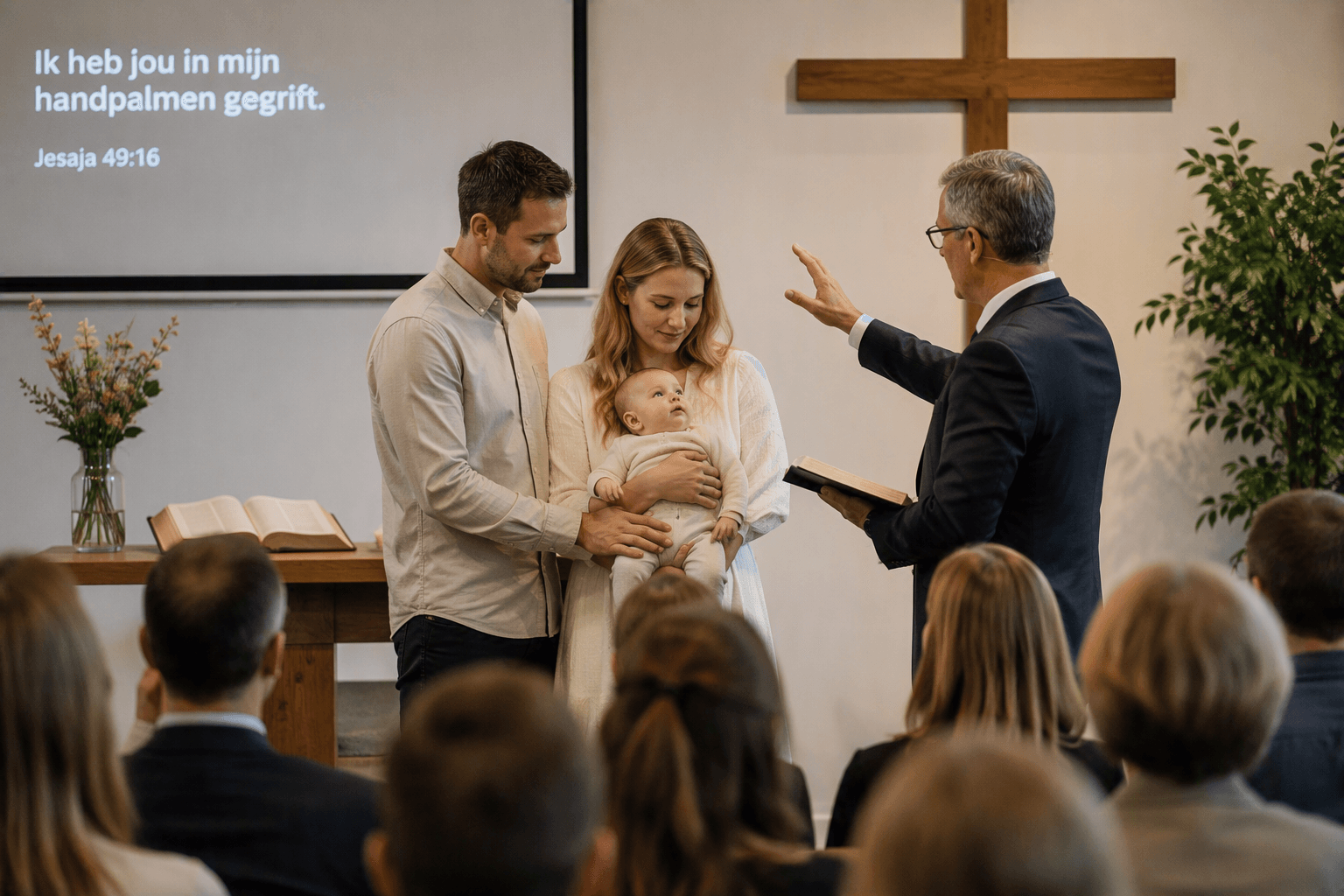
For babies or children, parents may request the dedication of the child. This means that the parents ask the church to help guide the child in faith and to make the child feel welcome within the church.
The 28 Fundamental Beliefs
In 1872, the first publication was made summarizing 25 fundamental beliefs.. This summary of beliefs was continually expanded by delegated Adventists worldwide at General Conference sessions. In 2005, they were expanded to 28 fundamental beliefs in six categories; the doctrine of God, the human family, salvation, the church, the Christian life, and the events of the last day.
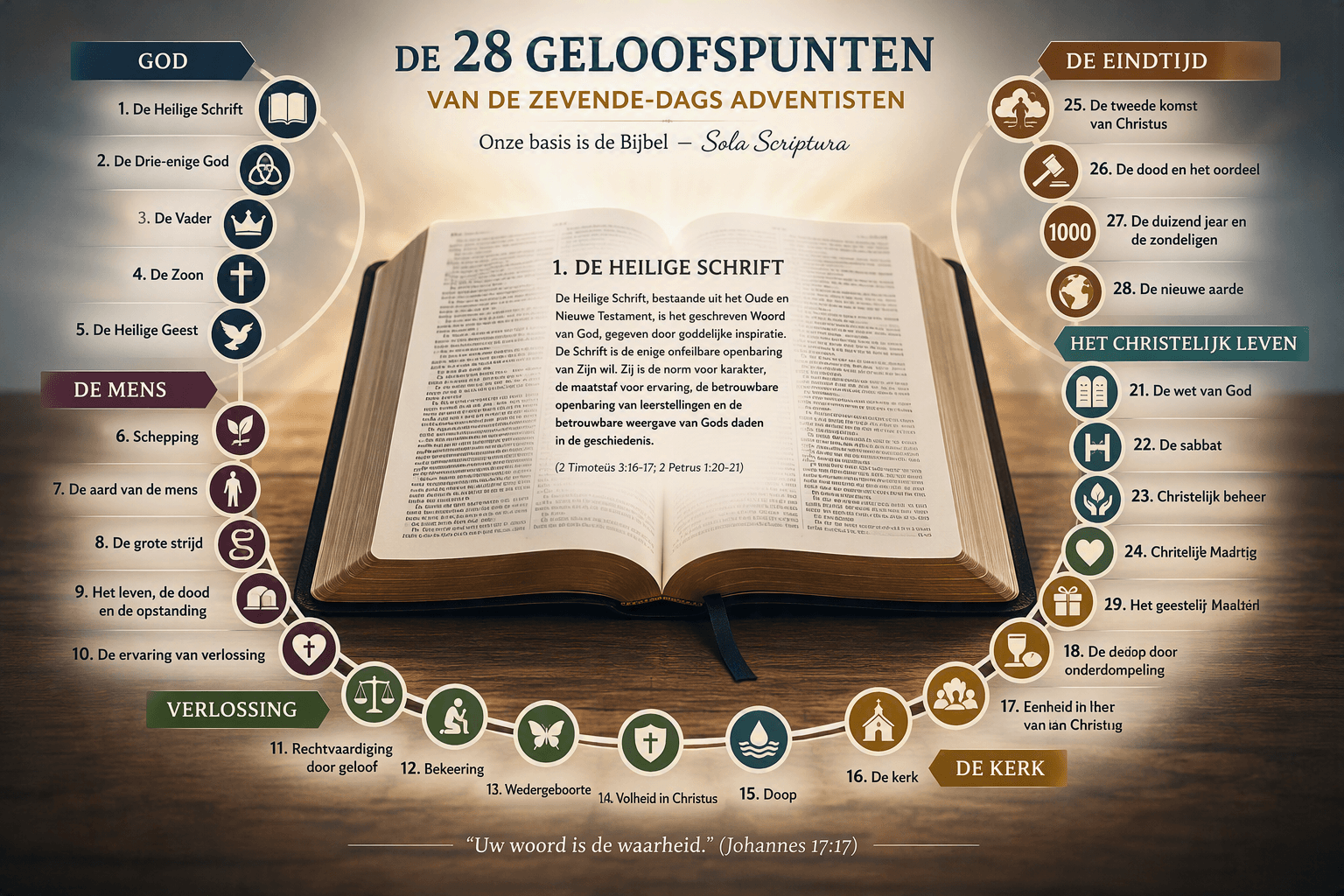
The 28 Fundamental Beliefs by Category
Category 1: God
The Bible
The Holy Scriptures, Old and New Testaments, are the written Word of God. Inspired human authors spoke and wrote as they were moved by the Holy Spirit. In His Word, God has given to humanity the essential knowledge for salvation. The Bible is the final, authoritative, and infallible revelation of His will. It is a faithful, historical record of God’s dealing with humanity. It is decisive on matters of faith and practice and is the supreme standard by which all human conduct, creeds, and opinions should be tested. (Ps. 119:105; Prov. 30:5, 6; Isa. 8:20; John 17:17; 2 Thess. 2:13; 2 Tim. 3:16, 17; Heb. 4:12; 2 Peter 1:20, 21).
(Psalms 119:105; Proverbs 30:5, 6; Isaiah 8:20; John 17:17; 2 Thessalonians 2:13; 2 Timothy 3:16, 17; Hebrews 4:12; 2 Peter 1:20, 21).
The Godhead
There is one God: Father, Son and Holy Spirit, who is one in the eternal Godhead. He is immortal, omnipotent, omniscient, omnipresent, and infinite in power, wisdom, and love. He is incomprehensible in His being and all His attributes and purposes, and yet is personally knowable through His revelations. He is forever worthy of all worship, reverence, and service by the entire creation. (Gen. 1:26; Deut. 6:4; Isa. 6:8; Matt. 28:19; John 3:16; 2 Cor. 1:21, 22; 13:14; Eph. 4:4–6; 1 Peter 1:2).
(Genesis 1:26; Deuteronomy 6:4; Isaiah 6:8; Matthew 28:19; John 3:16; 2 Corinthians 1:21, 22; 13:14; Ephesians 4:4–6; 1 Peter 1:2).
God the Father
God the eternal Father is Creator, Source, Sustainer, and Sovereign of all creation. He is just and holy, merciful and gracious, long-suffering, and abundant in goodness and truth. The Father’s attributes and qualities are the same as those of the Son and of the Holy Spirit. (Gen. 1:1; Deut. 4:35; Ps. 110:1, 4; John 3:16; 14:9; 1 Cor. 15:28; 1 Tim. 1:17; 1 John 4:8; Rev. 4:11).
(Genesis 1:1; Deuteronomy 4:35; Psalms 110:1, 4; John 3:16; 14:9; 1 Corinthians 15:28; 1 Timothy 1:17; 1 John 4:8; Revelation 4:11).
God the Son
God the eternal Son became human in Jesus Christ. Through His incarnation His divine attributes were revealed. Through His sufferings and death He accomplished the redemption of humanity. He is the promised Messiah, who was born of a virgin, lived on earth among men, and ministered to them. He died for our sins and was raised from the dead and ascended to heaven to minister in the sanctuary for us. He will return in glory to save His people finally and restore all things. (Isa. 53:4–6; Dan. 9:25–27; Luke 1:35; John 1:1–3, 14; 5:22; 10:30; 14:1–3, 9, 13; Rom. 6:23; 1 Cor. 15:3, 4; 2 Cor. 3:18; 5:17–19; Phil. 2:5–11; Col. 1:15–19; Heb. 2:9–18; 8:1, 2).
(Isaiah 53:4–6; Daniel 9:25–27; Luke 1:35; John 1:1–3, 14; 5:22; 10:30; 14:1–3, 9, 13; Romans 6:23; 1 Corinthians 15:3, 4; 2 Corinthians 3:18; 5:17–19; Philippians 2:5–11; Colossians 1:15–19; Hebrews 2:9–18; 8:1, 2).
God the Holy Spirit
God, de eeuwige Geest, was met de Vader en de Zoon werkzaam in de schepping, in de menswording van Jezus en de redding. Hij inspireerde de schrijvers van de Bijbel. Hij vulde Jezus’ leven met macht. Hij trekt mensen naar zich toe en overtuigt ze. Mensen die naar hem horen en naar hem luisteren, vernieuwt en verandert hij, zodat ze op God gaan lijken. Hij is gezonden door de Vader en de Zoon om altijd bij zijn kinderen te zijn. Hij deelt geestelijke gaven uit aan de kerk.
(Genesis 1:1, 2; 2 Samuël 23:2; Psalmen 51:11; Jesaja 61:1; Lucas 1:35; 4:18; Johannes 14:16–18, 26; 15:26, 27; 16:7–13; Handelingen 1:8; 5:3; 10:38; Romeinen 5:5; 1 Korintiërs 12:7–11; 2 Korintiërs 3:18; 2 Petrus 1:21).
Categorie 2: De Mens
Schepping
De eerlijke en historische weergave van zijn scheppende daden laat God in de Bijbel zien. God schiep het heelal, en in een recente schepping van zes dagen maakte de Heer ‘de hemel en de aarde …, en de zee met alles wat er leeft’. Op de zevende dag rustte hij. Zo stelde God de sabbat in als een blijvend gedenkteken van het werk dat hij deed en voltooide in zes letterlijke dagen. Deze dagen, samen met de sabbat, vormen een tijdsperiode die wij een week noemen. De eerste man en vrouw werden gemaakt naar Gods beeld als de bekroning van de schepping. Hun werd heerschappij gegeven over de aarde, en de verantwoordelijkheid haar te onderhouden. Toen de wereld voltooid was, was alles ‘zeer goed’, en zo verkondigde de wereld Gods eer.
(Genesis 1; 2; 5; 11; Exodus 20:8–11; Psalmen 19:1–6; 33:6, 9; 104; Jesaja 45:12; Handelingen 17:24; Kolossenzen 1:16; Hebreeën 11:3; Openbaring 10:6; 14:7).
De natuur van de mens
Man en vrouw werden naar Gods beeld geschapen met persoonlijkheid, macht en vrijheid om te denken en te doen. Elk mens is een ondeelbare eenheid van lichaam, verstand en geest. De mens is als vrij wezen geschapen, maar blijft van God afhankelijk voor zijn leven, adem en al het overige. Toen de eerste mensen God ongehoorzaam waren, ontkenden zij hun afhankelijkheid van hem, en verloren hun hoge positie. Het beeld van God in hen vervormde, en zij raakten aan de dood onderworpen. Dat geldt ook voor hun nakomelingen: zij delen deze gevallen natuur en de gevolgen hiervan. Zij worden geboren met zwakheden en de neiging tot kwaad. Maar God verzoende in Christus de wereld met zichzelf. Door zijn Geest herstelt hij het beeld van hun Schepper in stervelingen die berouwvol zijn. Zij zijn geschapen tot eer van God en geroepen om hem en elkaar lief te hebben en voor hun omgeving te zorgen.
(Genesis 1:26–28; 2:7, 15; 3; Psalmen 8:4–8; 51:5, 10; 58:3; Jeremia 17:9; Handelingen 17:24–28; Romeinen 5:12–17; 2 Korintiërs 5:19, 20; Efeziërs 2:3; 1 Tessalonicenzen 5:23; 1 Johannes. 3:4; 4:7, 8, 11, 20).
Categorie 3: De Verlossing
De grote strijd
All humanity is now involved in a great struggle between Christ and Satan over the character of God, His law, and His sovereignty over the universe. This conflict began in heaven when a created being with freedom of choice exalted himself to become Satan. As God’s adversary, he incited a portion of the angels to rebellion. When he tempted Adam and Eve to sin, he brought the spirit of rebellion into this world. This human sin caused the distortion of God’s image in humanity. This led to disorder within the created world, and its eventual destruction at the time of the all-encompassing flood, as described in the historical account of Genesis 1–11. All creation witnessed this world become the battlefield of the comprehensive conflict. In this conflict, God will ultimately be vindicated as a God of love. Christ assists His people: He sends the Holy Spirit and faithful angels to guide, protect, and support people on the path to eternal life.
(Genesis 3:6–8; Job 1:6–12; Isaiah 14:12–14; Ezekiel 28:12–18; Romans 1:19–32; 3:4; 5:12–21; 8:19–22; 1 Corinthians 4:9; Hebrews 1:14; 1 Peter 5:8; 2 Peter 3:6; Revelation 12:4–9).
The life, death, and resurrection of Jesus Christ
Jesus was perfectly obedient to God’s will. Through Jesus’ life, suffering, death, and resurrection, God provided the only way that could nullify human sin. People who accept Jesus’ atonement in faith receive eternal life. Through Jesus’ sacrifice, all creation understands the infinite and holy love of the Creator even better. This perfect atonement convincingly establishes the righteousness of God’s law and His gracious character, for it condemns our sin while simultaneously granting us forgiveness. Jesus died in place of every human being, thus nullifying every sin. His death was atoning and transforming. Jesus’ physical resurrection demonstrates God’s victory over the forces of evil. This assures everyone who accepts the atonement of the ultimate victory over sin and death. This resurrection proclaims the reign of Jesus Christ, before whom everyone, in heaven and on earth, will bow.
(Genesis 3:15; Psalm 22:1; Isaiah 53; John 3:16; 14:30; Romans 1:4; 3:25; 4:25; 8:3, 4; 1 Corinthians 15:3, 4, 20–22; 2 Corinthians 5:14, 15, 19–21; Philippians 2:6–11; Colossians 2:15; 1 Peter 2:21, 22; 1 John 2:2; 4:10).
The experience of salvation
In oneindige liefde en genade maakte God Christus —die geen zonde gekend heeft—voor ons tot zonde. Zo konden wij door Christus rechtvaardig worden voor God. Geleid door de heilige Geest beseffen wij onze tekortkomingen en erkennen we onze zondigheid. Wij hebben berouw over onze overtredingen en oefenen geloof in Jezus als Christus en Heer, als plaatsvervanger en voorbeeld. Dit reddende geloof komt door de goddelijke macht van het Woord en is het geschenk van Gods genade. Door Christus worden wij gerechtvaardigd, aanvaard als kinderen van God en bevrijd van de heerschappij van de zonde. Door de Geest worden wij opnieuw geboren en geheiligd. De heilige Geest vernieuwt onze geest, schrijft Gods wetten van liefde in ons hart en geeft ons de kracht om een heilig leven te leiden. Wanneer wij in hem blijven, krijgen we deel aan de goddelijke natuur en kunnen wij zeker zijn van redding, nu en in het oordeel.
(Genesis 3:15; Jesaja 45:22; 53; Jeremia 31:31–34; Ezechiël 33:11; 36:25–27; Habakuk 2:4; Marcus 9:23, 24; Johannes 3:3–8, 16; 16:8; Romeinen 3:21–26; 8:1–4, 14–17; 5:6–10; 10:17; 12:2; 2 Korintiërs 5:17–21; Galaten 1:4; 3:13, 14; 4:4–7; Efeziërs 2:4–10; Kolossenzen 1:13, 14; Titus 3:3–7; Hebreeën 8:7–12; 1 Petrus 1:23; 2:21, 22; 2 Petrus 1:3, 4; Openbaring 13:8).
Groeien in Christus
Jezus overwon de machten van het kwaad door zijn dood aan het kruis. Wij gaan door het leven met hem in vrede en vreugde, verzekerd van zijn liefde. De heilige Geest leeft nu in ons en geeft ons kracht. In onze voortdurende toewijding aan Jezus als onze Redder en Heer zijn wij bevrijd van de last van onze daden in het verleden. Met Christus leven wij niet langer in duisternis, bevreesd voor boze machten. Wij zijn niet meer onwetend, en leven niet meer in de zinloosheid van onze vroegere levenswijze. Wij zijn geroepen om meer op hem te gaan lijken, terwijl we leven in zijn vrijheid. Dit doen wij door dagelijks met hem samen te komen in gebed, ons te voeden met de Bijbel, stil te staan bij de Bijbel en Gods voorzienigheid, te zingen tot zijn eer, samen te komen voor aanbidding, en mee te doen aan de missie van de kerk. Wij zijn ook geroepen om het voorbeeld van Christus te volgen door, vanuit onze liefde voor anderen, mensen bij te staan die hulp nodig hebben in lichamelijk, psychisch, sociaal, emotioneel en geestelijk opzicht.
(1 Kronieken 29:11; Psalm 1:1, 2; 23:4; 77:11, 12; Matteüs 20:25–28; 25:31–36; Lucas 10:17–20; Johannes 20:21; Romeinen 8:38, 39; 2 Korintiërs 3:17, 18; Galaten 5:22–25; Efeziërs 5:19, 20; 6:12–18; Filippenzen 3:7–14; Kolossenzen 1:13, 14; 2:6, 14, 15; 1 Tessalonicenzen 5:16–18, 23; Hebreeën 10:25; Jakobus 1:27; 2 Petrus 2:9; 3:18; 1 Johannes 4:4).
Categorie 4: De Kerk
De kerk
The church is the fellowship of all who confess Jesus Christ as Lord and Savior. The church derives its authority from Christ, whom the Bible reveals as the Word made flesh. The church is God’s household; its members (accepted by Him as His children) live under the new covenant. The church is the body of Christ, a fellowship of believers of which Christ Himself is the Head. The church is the bride for whom Christ died to sanctify and purify her. At His glorious return, He will present her to Himself a radiant church. The people of all ages who were faithful, redeemed by Jesus’ blood, will be without spot or wrinkle, holy and unblemished.
(Genesis 12:3; Exodus 19:3–7; Matthew 16:13–20; 18:18; 28:19, 20; Acts 2:38–42; 7:38; 1 Corinthians 1:2; Ephesians 1:22, 23; 2:19–22; 3:8–11; 5:23–27; Colossians 1:17, 18; 1 Peter 2:9).
The ‘remnant’ and its mission
The church consists of all people who truly believe in Christ. Although many in the last days of this world will depart from the faith, others are called to hold to the commandments of God and the faith of Jesus. This ‘remnant’ announces that God will soon pronounce His judgment and that there is salvation through Christ. This heralds the time of Jesus’ second coming. This announcement is symbolized by the three angels of Revelation 14. The announcement coincides with the work of judgment in heaven and leads to repentance and conversion on earth. Every believer is called to participate personally in this worldwide testimony.
(Daniel 7:9–14; Isaiah 1:9; 11:11; Jeremiah 23:3; Micah 2:12; 2 Corinthians 5:10; 1 Peter 1:16–19; 4:17; 2 Peter 3:10–14; Jude 3, 14; Revelation 12:17; 14:6–12; 18:1–4).
Unity in the body of Christ
The church is one body with many members, called from every country, tribe, language, and people. In Christ, we become a new creation; distinctions of race, culture, development, and nationality, and differences between high and low, rich and poor, male and female, should not cause division among us. We are all equal in Christ, who by one Spirit has bound us in one fellowship with Him and with each other. This unity has its source in the unity of the triune God, who has accepted us as His children.
(Psalm 133:1; Matthew 28:19, 20; John 17:20–23; Acts 17:26, 27; Romans 12:4, 5; 1 Corinthians 12:12–14; 2 Corinthians 5:16, 17; Galatians 3:27–29; Ephesians 2:13–16; 4:3–6, 11–16; Colossians 3:10–15).
Baptism
Through baptism, we show that we believe in the death and resurrection of Jesus Christ. We thereby testify to our death to sin and our intention to live as new people. Thus, we acknowledge Christ as Lord and Savior, become his people, and are accepted as members by his church. Baptism is a symbol of our union with Christ, of the forgiveness of our sins, and of our receiving the holy Spirit. Baptism is performed by immersion in water, upon confession of faith in Jesus and on the basis of showing repentance for sins. Baptism follows instruction from the Bible and acceptance of this instruction.
(Matthew 28:19, 20; Acts 2:38; 16:30–33; 22:16; Romans 6:1–6; Galatians 3:27; Colossians 2:12, 13).
The Lord’s Supper
The Lord’s Supper signifies participation in the symbols of Jesus’ body and blood. It is an expression of faith in Jesus Christ as Lord and Savior. In this experience of fellowship, Christ is present to meet and strengthen his people. When we partake of the supper, we joyfully proclaim the Lord’s death until he comes. The supper is preceded by preparation, repentance, and confession. The Lord instituted the ordinance of foot washing. It is a sign of renewed cleansing, showing the willingness to humbly serve one another, following Jesus’ example, and to bind our hearts in love. The Lord’s Supper is accessible to all believing Christians.
(Matthew 26:17–30; John 6:48–63; 13:1–17; 1 Corinthians 10:16, 17; 11:23–30; Revelation 3:20).
Category 5: Daily Christian Life
Spiritual Gifts and Ministries
God bestows spiritual gifts upon all members of his church throughout the ages. Each member should use his or her gifts in loving service for the common good of the church and all people. The gifts are given through the holy Spirit, who decides which gifts people receive. Through the gifts of the Spirit, all people who have a function are enabled to fulfill their God-given task. According to the Bible, these gifts include, for example, faith, prophecy, healing, proclamation, teaching, administration, reconciliation, compassion, and self-sacrificing service and love to help and encourage people. Some members are called by God and endowed by the Spirit for offices such as minister, evangelist, or teacher and are recognized as such by the church. They are needed to equip the members for service, to lead the church to spiritual maturity, and to promote the unity of faith and the knowledge of God. The church then grows as God wills and is built up in faith and love.
(Acts 6:1–7; Romans 12:4–8; 1 Corinthians 12:9–11, 27, 28; Ephesians 4:8, 11–16; 1 Timothy 3:1–13; 1 Peter 4:10, 11).
The Gift of Prophecy
The Bible indicates that prophecy is one of the gifts of the Holy Spirit. This gift is a characteristic of the church that is faithful to God, and we believe that it was manifested in the work of Ellen G. White. Her writings speak with prophetic authority and offer comfort, guidance, instruction, and correction to the church. These writings also make it clear that the Bible is the standard by which all teaching and experience must be tested.
(Numbers 12:6; 2 Chronicles 20:20; Amos 3:7; Joel 2:28, 29; Acts 2:14–21; 2 Timothy 3:16, 17; Hebrews 1:1–3; Revelation 12:17; 19:10).
The Law of God
The fundamental principles of God’s law are the Ten Commandments. Jesus exemplified these principles. The Ten Commandments reveal God’s love, His will, and His purposes concerning human conduct and relationships. All people in all ages are bound by the Ten Commandments. These precepts are the basis of God’s covenant with His people and form the standard in God’s judgment. Through the working of the Holy Spirit, they point out sin and make us aware of our need of a Savior. Salvation is wholly of grace and not of works, and results in obedience to the commandments. This obedience contributes to the development of Christian character and results in a sense of peace. It is an expression of our love for the Lord and our concern for our fellow human beings. Obedience of faith demonstrates the power of Christ to transform people and therefore supports the Christian testimony.
(Exodus 20:1–17; Deuteronomy 28:1–14; Psalms 19:7–14; 40:7, 8; Matt. 5:17–20; 22:36–40; John 14:15; 15:7–10; Romans 8:3, 4; Ephesians 2:8–10; Hebrews 8:8–10; 1 John 2:3; 5:3; Revelation 12:17; 14:12).
The Sabbath
The gracious Creator, after the six days of Creation, rested on the seventh day. He instituted the Sabbath for all people as a memorial of Creation. The fourth commandment of God’s unchanging law requires the observance of the Sabbath (the seventh day) as a day of rest, worship, and service. This is in harmony with the teaching and practice of Jesus, the Lord of the Sabbath. The Sabbath is a day of joyful fellowship with God and neighbor. This day is a symbol of our salvation in Christ, a sign of our sanctification, a token of our faithfulness, and a pledge of our eternal future in God’s kingdom. The Sabbath is God’s perpetual sign of the everlasting covenant between Him and His people. Joyful observance of this sacred time, from evening to evening, sunset to sunset, is a celebration of God’s creative and redemptive acts.
(Genesis 2:1–3; Exodus 20:8–11; 31:13–17; Leviticus 23:32; Deuteronomy 5:12–15; Isaiah 56:5, 6; 58:13, 14; Ezekiel 20:12, 20; Matthew 12:1–12; Mark 1:32; Luke 4:16; Hebrews 4:1–11).
Stewardship
We are God's stewards. From Him we receive time and opportunities, abilities and possessions, and the blessings of the earth and its resources. We are accountable to God for the proper use of these. We acknowledge God's ownership by faithfully serving Him and our fellow human beings. We also do this by returning a tenth and bringing gifts for the proclamation of His gospel and for the welfare and growth of His church. Stewardship is a privilege. God has given it to us to train us in love and to help us overcome our selfishness and greed. Stewards rejoice in the blessings that others receive as a result of their faithfulness.
(Genesis 1:26–28; 2:15; 1 Chronicles 29:14; Haggai 1:3–11; Malachi 3:8–12; Matthew 23:23; Romans 15:26, 27; 1 Corinthians 9:9–14; 2 Corinthians 8:1–15; 9:7).
The Conduct of the Christian
We are called to be a community that thinks, feels, and acts in accordance with biblical principles, both personally and socially. To give the Holy Spirit the opportunity to recreate the character of the Lord within us, we desire to be involved only in those things that bring Christian purity, health, and joy into our lives. This means that recreation and leisure activities should meet the highest standards of Christian taste and beauty. Amid cultural diversity, our clothing should be simple, modest, and neat, as befits people whose beauty is not found in outward adornment, but in the gentle and quiet spirit that cannot fade. Because our bodies are temples of the Holy Spirit, we should treat them wisely. In addition to sufficient exercise and rest, we should eat as healthily as possible and avoid unclean foods, as indicated in the Bible. Because alcoholic beverages, tobacco, and the irresponsible use of medicines and narcotics are harmful to the body, we should also abstain from them. Instead, we should be engaged in all those things that bring our thoughts and our bodies under the authority of Christ, who desires the best for us.
(Genesis 7:2; Exodus 20:15; Leviticus 11:1–47; Psalm 106:3; Romans 12:1, 2; 1 Corinthians 6:19, 20; 10:31; 2 Corinthians 6:14–7:1; 10:5; Ephesians 5:1–21; Philippians 2:4; 4:8; 1 Timothy 2:9, 10; Titus 2:11, 12; 1 Peter 3:1–4; 1 John 2:6; 3 John 2).
Marriage and Family
Marriage was instituted in Eden by God. Jesus emphasized that marriage is a lifelong commitment between a man and a woman as loving partners. For the Christian, marriage is binding to both God and the partner. Marriage should only be entered into by a man and a woman who share a common faith. Mutual love, honor, respect, and responsibility are the building blocks of this relationship, reflecting the love, holiness, intimacy, and permanence of the bond between Christ and His church. Jesus taught that whoever divorces his partner and marries another commits adultery, except in cases of fornication. Some family relationships are far from ideal, but a man and a woman who focus entirely on each other in Christ, with the guidance of the Spirit and the care of the church, may hope to achieve unity in love. God blesses the family and desires that family members support each other on the path to maturity. It is one of the characteristics of the final Christian message to make families ever more cohesive. Parents must raise their children to love and obey the Lord. Through their example and words, they must teach their children that Christ is a loving, tender, and caring guide who desires them to become members of His body (the church), the family of God, which consists of both married and unmarried people.
(Genesis 2:18–25; Exodus 20:12; Deuteronomy 6:5–9; Proverbs 22:6; Malachi 4:5, 6; Matthew 5:31, 32; 19:3–9, 12; Mark 10:11, 12; John 2:1–11; 1 Corinthians 7:10, 11; 2 Corinthians 6:14; Ephesians 5:21–33; 6:1–4).
Category 6: The events of the last days
Christ's Ministry in the Heavenly Sanctuary
There is a sanctuary in heaven, the true tabernacle that the Lord erected, not man. In it, Christ ministers for us. Thus, He makes available the results of His atoning sacrifice, which was offered once and for all on the cross, to all believers. At His ascension, He was inaugurated as our High Priest and began His mediatorial work. This is a work of investigative judgment. It is part of the final solution for all sin, typified by the cleansing of the ancient Hebrew sanctuary on the Day of Atonement. The investigative judgment reveals to the heavenly beings which of the dead in Christ have died and therefore, in Him, are worthy to have a part in the first resurrection. It also makes clear which of the living remain faithful to Christ, by keeping the commandments of God and the faith of Jesus. Through Jesus, these are ready to become part of the eternal kingdom. This judgment demonstrates God's righteousness by saving those who believe in Christ. It declares that those who have remained faithful to God will receive the kingdom. The completion of this ministry of Christ signals the end of the period of grace for humanity, just before the second coming.
(Leviticus 16; Numeri 14:34; Ezechiël 4:6; Daniël 7:9–27; 8:13, 14; 9:24–27; Hebreeën 1:3; 2:16, 17; 4:14–16; 8:1–5; 9:11–28; 10:19–22; Openbaring 8:3–5; 11: 19; 14:6, 7; 20:12; 14:12; 22:11, 12).
De wederkomst van Christus
De wederkomst van Christus is de gezegende hoop van de kerk. Het is het hoogtepunt van het evangelie. De komst van de Redder zal letterlijk, persoonlijk, zichtbaar en wereldomvattend zijn. Bij zijn komst zullen de rechtvaardige doden worden opgewekt, en samen met de levende rechtvaardigen worden verheerlijkt en in de hemel worden opgenomen. De onrechtvaardigen zullen sterven. Het feit dat de meeste profetieën vrijwel geheel in vervulling zijn gegaan en de huidige toestand in de wereld tonen aan dat Christus’ komst dichtbij is. Het moment van die gebeurtenis is niet geopenbaard en daarom worden wij aangemoedigd altijd klaar te zijn voor zijn komst.
(Matteüs 24; Marcus 13; Lucas 21; Johannes 14:1–3; Handelingen 1:9–11; 1 Korintiërs 15:51–54; 1 Tessalonicenzen 4:13–18; 5:1–6; 2 Tessalonicenzen 1:7–10; 2:8; 2 Timoteüs 3:1–5; Titus 2:13; Hebreeën 9:28; Openbaring 1:7; 14:14–20; 19:11–21).
Dood en opstanding
Het loon van de zonde is de dood. Maar God, die als enige onsterfelijk is, zal de verlosten eeuwig leven geven. Tot die dag is de dood voor alle mensen een toestand van onbewust-zijn. Wanneer Christus, die ons leven is, verschijnt, zullen de opgestane en de dan nog levende rechtvaardigen verheerlijkt en opgenomen worden om hun Heer te ontmoeten. De tweede opstanding, die van de onrechtvaardigen, vindt duizend jaar later plaats.
Job 19:25–27; Psalm 146:3, 4; Prediker 9:5, 6, 10; Daniël 12:2, 13; Jesaja 25:8; Johannes 5:28, 29; 11:11–14; Romeinen 6:23; 16; 1 Korintiërs 15:51–54; Kolossenzen 3:4; 1 Tessalonicenzen 4:13–17; 1 Timoteüs 6:15, 16; Openbaring 20:1–10).
De periode van duizend jaar en het einde van de zonde
De periode van duizend jaar is de heerschappij van Christus met zijn heiligen in de hemel tussen de eerste en de tweede opstanding. Gedurende deze periode wordt over de onrechtvaardige doden geoordeeld. De aarde zal dan geheel verlaten zijn, zonder levende menselijke bewoners, maar wordt bezet door Satan en zijn engelen. Aan het einde van deze tijd zal Christus met zijn heiligen en de heilige stad van de hemel neerdalen naar de aarde. De onrechtvaardige doden worden dan tot leven gebracht en Satan en zijn engelen zullen de stad omsingelen. Vuur van God zal hen vernietigen en de aarde reinigen. Zo zal het heelal voor altijd worden bevrijd van zonde en zondaars.
(Jeremia 4:23–26; Ezechiël 28:18, 19; Maleachi 4:1; 1 Korintiërs 6:2, 3; Openbaring 20; 21:1–5).
De nieuwe aarde
Op de nieuwe aarde, waar gerechtigheid is, geeft God een eeuwig thuis voor iedereen die gered is. Er zal een volmaakte omgeving voor eeuwig leven, liefde, vreugde en ontwikkeling zijn in Gods aanwezigheid. Daar woont God zelf bij zijn volk, en leed en dood zullen voorbij zijn. De grote strijd is dan voorbij en zonde bestaat niet meer. Alles, bezield en onbezield, zal verklaren dat God liefde is. Hij zal voor eeuwig heersen. Amen.
(Jesaja 35; 65:17–25; Matteüs 5:5; 2 Petrus 3:13; Openbaring 11:15; 21:1–7; 22:1–5).
Verdieping en Documentatie
Formele Documentatie
Aanvullende Bronnen
Getuigenissen van Leden
"Ik ben opgegroeid met het geloof. Tijdens mijn school periode had ik veel interesse in alle verschillende soorten geloven. Tijdens deze periode werd het mij duidelijk dat het Zevende-dags Adventisme voor mij het juiste geloof is. Het geloof heeft mij geholpen in moeilijke tijden. Op mijn 22ste ben ik uiteindelijk gedoopt.

Samantha de Ruiter
Lid sinds 2016
"De nadruk op de sabbat als rustdag heeft me geholpen om balans te vinden in mijn drukke leven en meer tijd te besteden aan mijn familie en geloof."

Peter van Dijk
Lid sinds 2020
"Door de geloofspunten voel ik me meer verbonden met de gemeenschap en heb ik een sterker gevoel van richting en doel in mijn leven gekregen."

Maria Janssen
Member since 2018
Frequently Asked Questions about the Beliefs
Here we answer some of the most frequently asked questions about our beliefs and their meaning for our daily lives.
What are the beliefs of the Seventh-day Adventists?
The beliefs are guidelines that help us understand and live our faith. They include, among other things, the belief in the soon return of Jesus Christ and the observance of the Sabbath as a day of rest.
Why do you observe the Sabbath on Saturday?
We believe that the Sabbath, the seventh day of the week, was instituted by God as a day of rest and worship, as described in the Bible.
How do the beliefs affect daily life?
The beliefs provide a moral and spiritual compass that helps us make decisions in line with our convictions and values.
What does the soon return of Jesus Christ mean?
The belief in the soon return of Jesus Christ is a core tenet of our faith and inspires us to live a life prepared for His coming.
How can I learn more about the beliefs?
You are welcome to attend our services or contact us for more information about our beliefs.